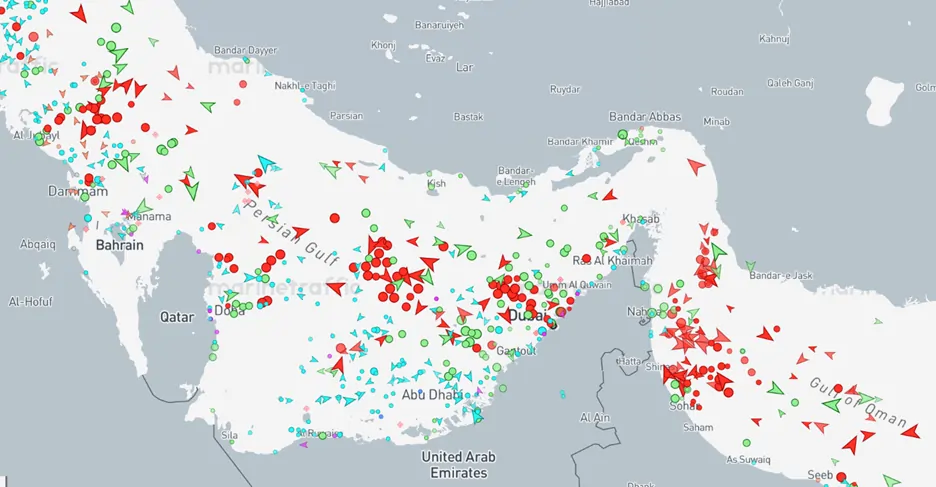
The ongoing war between Israel–USA and Iran (now weeks long) is sending shockwaves through global energy markets, and India stands to feel it on many fronts. India imports roughly 90% of its oil and half of its gas, much of it via the Strait of Hormuz from the Middle East[1]. Now that Iran is threatening to disrupt Hormuz shipping for its aggressor, supply chains and prices are rattled worldwide. India – the world’s fourth-largest economy – faces a “double whammy” of energy shortages and remittance risk[2]. This article examines what is hitting home in India: from surging fuel prices and a sliding rupee to and the government’s balancing act in diplomacy.
War in the Middle East: A Supply Crisis for India
The conflict began in late February 2026 with US–Israel strikes and aggression on Iran, and Iran’s massive drone/missile retaliation. In response, Iran has said to close Strait of Hormuz for its aggressor and its allies which are involved in attacking it. Even before an official blockade, “risk aversion” by shippers is real – many vessels are anchored outside Hormuz and insurers have canceled war-risk coverage[4][5]. As a result, 20–30% of global oil and LNG flows (the share transiting Hormuz) are effectively choked off[4][6]. Brent crude briefly spiked toward $120/barrel (about $40 above pre-war levels)[3]. In Mumbai markets, oil traders saw Brent around $112 by mid-March, as the war risked pushing gasoline and diesel shortages[7][6].
Indian officials warn that 80–90% of India’s Gulf oil and gas was on those shipping lanes[4][8]. (Before Feb 28, Middle East sources such as Saudi Arabia and the UAE supplied a majority of India’s fuel.) In the first days of the crisis, people queued for LPG (cooking gas) cylinders, and hotels/restaurants even considered shutting down over fuel fears[9]. The government invoked emergency powers to curb panic buying of fuel[9]. Energy experts like Harsh V. Pant (ORF) warn that India’s energy security is “impacted significantly”, with volatile markets and rising costs likely to stoke inflation and slow growth[10].
Meanwhile, the logistics of energy imports are shifting. Indian ports in Gujarat are now busy handling alternative shipments. For example, Gujarat’s Mundra Port recently received the Indian-flag tanker Jag Laadki carrying ~80,900 metric tonnes of crude oil (sourced from the UAE)[11]. In the same week, two LPG carriers reached terminals in Vadinar (46,500 MT on Nanda Devi) and Mundra (the Shivalik vessel) after transiting the Gulf[12].
Disruptions to Oil, Gas and Fertilizer Supply
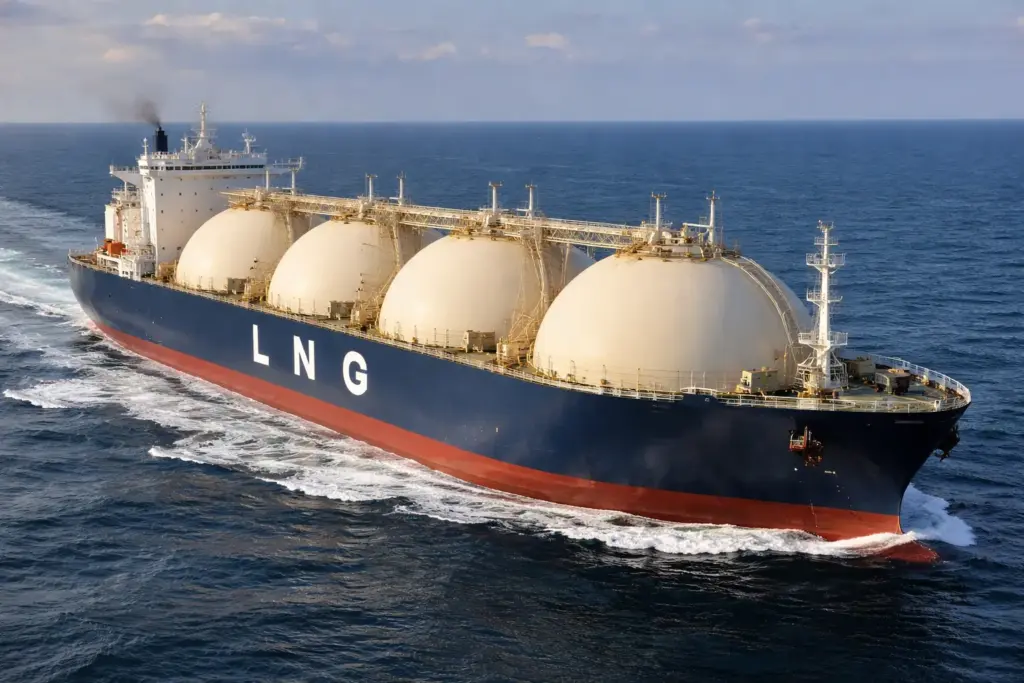
With Hormuz threatened, import pipelines and sea routes are clogged. Tankers are waiting to load or avoiding the Gulf: for instance, Japanese officials reported Middle Eastern-bound ships idling offshore to bypass Hormuz[6]. A Reuters analysis noted that Asia relies on 60% of its oil from the Middle East, so prolonged Hormuz disruptions force refiners (in India, Japan, Korea, etc.) to run plants at lower rates and cut exports[6][14]. In India, some refiners have already shifted to buying more Russian crude, and the oil ministry even signaled plans to tap Russian supplies if the crisis drags on[14][15]. India’s stockpiles of refined fuel are higher than many peers, but with imports squeezed it can’t indefinitely cover gaps. Reuters reports the government has ordered oil firms to share detailed import/production data and warned they should prioritize domestic supply over exports[16].
Natural gas is also at risk. India is the world’s 4th-largest LNG importer, with over half its gas from abroad. Qatar (formerly India’s top LNG supplier) declared force majeure on some shipments[17]. Petronet LNG has already informed state companies of about 30% cuts from Gulf suppliers (Qatar, UAE, Oman) due to the war[18]. Domestic producers cover only a fraction of demand, so shortages could ripple through electricity, fertilizer and chemicals sectors.
One less obvious impact is on fertilizer imports. Around 60% of India’s urea (nitrogen fertilizer) imports come via tankers from Gulf ports like Khor Fakkan (UAE) and Hamriyah (Oman). An NDTV analysis estimates India’s exposure to fertilizer supply disruption at 20–25% due to the Hormuz chokehold[19]. For example, 63% of India’s nitrogen fertilizer and 32% of its DAP (di-ammonium phosphate) are shipped from UAE/SAQ/Oman through Hormuz[20]. Saudi Arabia alone supplies ~42% of India’s potash. Any blockage could raise prices or force rationing in India’s farms, compounding worry over rising food costs. The government insists stocks are “robust,” but analysts note it may end up paying premiums to keep farmers happy[21].
Key Economic Impacts
- Surging fuel prices: Crude oil jumped roughly 50% since late Feb, lifting pump prices for petrol/diesel in India and hiking import bills. Even at ~₹1,300–1,350 per litre in Mumbai (as of March), further rises are possible if shortages persist[7]. Aviation fuel costs and LPG (cooking gas) prices may also climb.
- Weaker rupee: The Indian rupee hit record lows (around ₹93.7–94 to $1) in mid-March as oil prices spiked[13]. A 3% fall in a month widens India’s current account deficit and feeds inflation. Currency volatility also raises costs for imported inputs (not just energy but machinery, electronics) and burdens servicing foreign debt.
- Trade disruptions: Beyond energy, sectors like jewelry (gold/diamonds) and chemicals could see delays or cost pressures. About 10% of India’s non-energy imports come from the Middle East[22]. In 2024, nearly 50% of India’s diamonds and 63% of its fertilizers were Middle East-sourced[22], so supply-chain stress there could pinch these industries. Indian refineries (Reliance, Nayara) have largely halted exports of petrol and diesel to ensure home supply[16], so export revenues will soften.
- Remittance and Diaspora concerns: Nearly 10 million Indians live in the Gulf (UAE, Saudi Arabia, Qatar, etc.) and send home ~$50 billion annually[23]. Business slowdowns or job losses in the Gulf (especially in oil/gas and construction) risk lowering remittances. Al Jazeera notes this “second whammy” of financial outflows along with fuel costs[2].
- Inflationary spillover: Higher fuel and fertilizer costs can translate into broader inflation — from transport and manufacturing to food and services. Economists warn that while India’s economy was strong entering 2026, this oil shock could slow growth and push up prices across the board[10][7].
Looking Ahead
The Iran–US/Israel conflict could drag on, and its full effects on India will depend on its duration and spread. Analysts warn that if the war widens (involving Saudi Arabia, Oman, etc.), oil could hit $200+[3] and the Indian economy would face starker challenges. For now, India is in crisis-management mode: juggling higher energy costs, a fragile rupee, and exports gap, while hoping for quick de-escalation. Local examples – Mundra’s crude arrivals, Vadinar’s LPG docks, Mumbai’s fuel queues – illustrate how global geopolitics reaches Indian shores.
India’s strategic takeaway may be to accelerate diversification: more domestic refinery capacity, alternative pipeline routes, fuel taxes adjustments, and even renewable energy push. But in the immediate term, consumers and businesses alike will feel the pinch of this Middle East war through every litre of petrol at Mumbai pumps and every tonne of cargo at Gujarat ports.
Key Takeaways:
– India imports ~90% of oil, 60% of LPG via the Strait of Hormuz[1][8]. Iran’s retaliation has effectively choked Hormuz, sending oil to ~$100+ and the rupee to record lows (~₹94)[13][3].
– Gujarat’s energy ports – Mundra, Vadinar (and Jamnagar’s Sikka) – have stepped up shipments. E.g., Mundra safely offloaded a 80,900 MT crude tanker from the UAE[11] while LPG carriers reached Vadinar[12]. Mumbai’s markets and pipelines are bracing accordingly.
– Non-fuel sectors (fertilizers, gems, chemicals) also feel the strain: up to 25% of India’s fertilizer imports and ~10% of non-energy trade come through conflict-affected Gulf routes[19][22].
– The government is enforcing data sharing, tapping strategic reserves, and even planning to lift sanctions on Iranian oil to ease the crunch[16][15]. Diplomatically, India emphasizes multi-alignment – urging de-escalation and protecting its large Gulf diaspora’s interests[26][23].
– Outlook: Short-term pain from higher prices and inflationary pressure. Medium-term lessons: diversify energy sources (more Russia/Iran, renewable acceleration) and deepen strategic partnerships. In the meantime, every new tanker at Mundra or Vadinar is a lifeline for India’s fuel-hungry economy in these turbulent times.
Sources: Reputed news and analysis (Al Jazeera, Reuters, NDTV, Times of India, Tribune, etc.) have been used to compile and interpret the above findings[27][28][13][26][1][15]. Each key fact or figure is cited accordingly.
Article Reference:
[1] [16] [17] India, a major energy consumer and refiner, assesses domestic availability | Reuters
[2] [3] [4] [9] [10] [23] [27] How Israel-US war on Iran puts $50bn in Indian remittances at risk | US-Israel war on Iran News | Al Jazeera
[5] [6] [14] Iran conflict disrupts oil supply to Asian countries dependent on Middle East | Reuters
[7] [13] No relief for under-pressure rupee as Iran–US conflict spirals | Reuters
[8] [24] [28] Indian vessel ‘Jag Laadki’ carrying over 80,000 MT crude oil reaches Gujarat’s Mundra Port – The Tribune
[11] [12] Indian vessel Jag Laadki arrives in Gujarat | Indian tanker ‘Jag Laadki’ delivers 80,000+ metric tonnes crude at Mundra Port amid West Asia crisis – Telegraph India
[15] Refiners in India, elsewhere in Asia look to buy Iranian oil after US waives sanctions | Reuters
[18] [19] [20] [21] US Iran Israel war impact india strait of hormuz blockade oil fertiliser supply to india urea imports
[22] Beyond oil & gas: How Middle East conflict impacts India – from gold & diamonds to aircraft & fertilizers – The Times of India
[25] Indian Vessel ‘Jag Laadki’: 80,000 MT Crude Reaches Gujarat Amid Conflict
[26] West Asia Crisis – India can play a sobering role | Samaj Weeklyhttps://samajweekly.com/west-asia-crisis-india-can-play-a-sobering-role/
Leave a Reply